
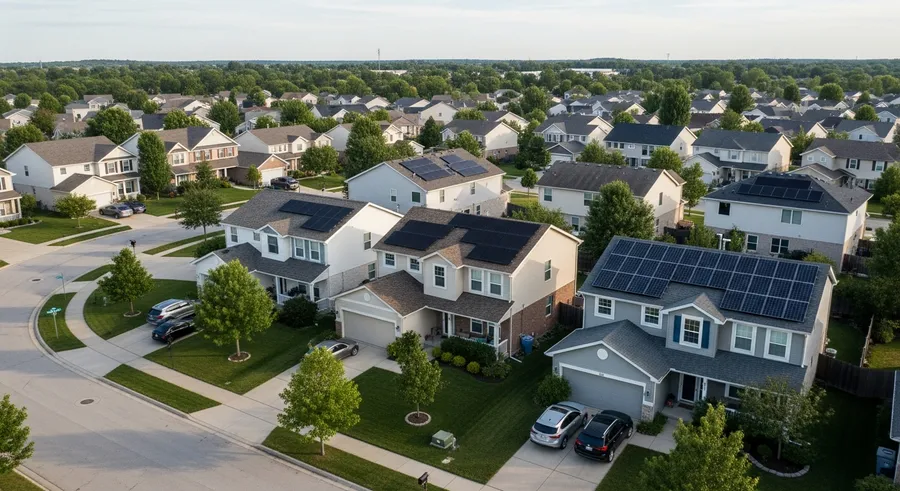
A residential solar system is designed to sit on the roof for decades. That makes roof age one of the first checks before any serious solar proposal. A good solar array on a weak roof creates a predictable future problem: the system has to be removed, the roof has to be replaced, and the system has to be reinstalled.
That process is called removal and reinstall, often shortened to R&R. It is normal work for a qualified solar contractor, but it is not free, and it is usually avoidable with better timing.
The roof-age check
Most installers want to see a roof with at least 10 useful years left before installing panels. On asphalt shingle roofs, many installers become cautious once the roof is past roughly 15 years old, especially if the shingles show curling, granule loss, soft decking, prior leak repairs, or brittle tabs. The exact cutoff depends on shingle type, climate, ventilation, attic condition, and workmanship on the original roof.
The reason is not only leak risk. It is warranty risk. An installer may mount panels on an older roof, but may limit roof-related workmanship coverage if the roofing material is already near the end of its life.
Roof condition should be checked before final design. If the installer performs only a remote design from satellite imagery and does not inspect the roof before permit submission, the contract should still explain what happens if the roof fails inspection later.
When replacing the roof first makes sense
Replacing the roof first is usually the better move when the roof is already late in its useful life. It avoids paying for an R&R only a few years after installation, gives the solar contractor a cleaner mounting surface, and makes warranty boundaries easier to understand.
The timing is especially important because solar equipment can last 25 years or more. A system installed on a 17-year-old shingle roof may produce well, but if that roof needs replacement in year four, the homeowner pays for a separate construction event that could have been avoided.
Bundling roof replacement and solar installation can also simplify scheduling. The roofer completes tear-off and replacement, the solar contractor mounts on the new roof, and the final project starts with aligned warranty periods.
What R&R actually costs
Removal and reinstall costs vary by system size, roof type, roof pitch, racking type, access, storage, and electrical updates. A common residential range is roughly $1,500 to $3,000 for a straightforward system, with higher costs for larger arrays, steep roofs, tile roofs, complex wiring, battery equipment, or travel-heavy markets.
The quote should state whether the cost includes removing panels and racking, safely storing equipment, reinstalling the system, replacing flashed attachments, recommissioning the inverter, checking monitoring, and coordinating any required inspection. A low R&R number that excludes recommissioning or new flashing is not the full cost.
Manufacturer warranties may continue through an R&R if the equipment is handled correctly, but workmanship coverage can change if a different contractor performs the work.
Bundling strategies
There are three workable ways to coordinate roof and solar work.
- Roof first, solar second. This is the cleanest route when the roof is near replacement age. It gives the solar installer a known mounting surface and resets the roof clock.
- Same project window. The roof contractor and solar installer coordinate schedules so the roof is replaced shortly before the array is mounted. This limits disruption and reduces the chance of duplicated attic or electrical access visits.
- Solar now, roof later. This can make sense only when the roof has enough remaining life and the R&R risk is priced honestly. It is weaker when the roof is already in the caution zone.
Roof replacement costs are not automatically eligible for solar incentive treatment merely because they happen near a solar installation. Any tax or incentive claim should be verified against current IRS and state program rules. The IRS Public Law 119-21 FAQ also matters because the Section 25D homeowner solar credit expired for systems placed in service after December 31, 2025.
When the installer wants to proceed anyway
Sometimes an installer will recommend moving forward on an aging roof. That recommendation is not automatically wrong. A 14-year-old roof in excellent condition may have enough useful life left. The issue is whether the installer documents the risk clearly.
The homeowner should ask for the roof assessment in writing. How old is the roof? What condition was observed? Does the installer believe the roof has at least 10 years of remaining life? Will the workmanship warranty cover roof penetrations? If the roof needs replacement in year three, what is the estimated R&R cost and who is authorized to do it?
If the installer avoids those questions or treats R&R as a minor detail, the proposal is not ready. A solar contract should improve the home's long-term operating cost, not create a foreseeable second construction bill.
The bottom line
Solar and roof replacement are not separate decisions when the roof is aging. A clean roof with a long remaining life can support solar without much extra discussion. A roof near the end of its life should usually be replaced before the array goes up. Paying for the roof first is rarely exciting, but it is often cheaper than paying for removal, storage, reinstall, and recommissioning after the system is already on the house.